
Introduction
Reaching out for help with depression can feel like standing at the edge of a busy Atlanta street, trying to decide when it is safe to step forward. The traffic of thoughts, expectations, and fears may feel nonstop. Looking for depression treatment in Atlanta that respects culture, identity, and lived experience can add another layer to an already heavy load.
Depression touches millions of people each year, yet many never receive care that truly fits them. Research shows that people from many racial, ethnic, and cultural backgrounds face higher barriers to support, longer delays before starting treatment, and more frequent misdiagnosis. Language differences, stigma, religious or spiritual beliefs, and a lack of culturally aware providers all feed this gap.
Medication and talk therapy can be powerful, but they are only part of the picture. Real healing asks for a holistic approach that sees you as a whole person, not just a set of symptoms. That includes your history, identity, body, family, faith, community, work life, and the stress of navigating systems that were not built with everyone in mind.
GlobeCoRe, Inc. was created with this reality front and center. With an unwavering focus on cultural humility, inclusion, and empowerment, GlobeCoRe offers depression treatment in Atlanta that combines evidence-based care, advanced options like TMS therapy, and accessible telehealth across 42 states. In this article, you will learn how depression shows up beyond simple sadness, what types of depression exist, what causes it, and what to expect from GlobeCoRe’s holistic model. By the end, you will have a clearer picture of how this kind of care can support real and lasting change in your life.
“You deserve mental health care that sees your culture, your story, and your strength—not just your symptoms.” — GlobeCoRe clinical team
Understanding Depression Beyond Sadness And Recognizing When You Need Professional Support

Depression is much more than “having a bad day” or feeling sad after a hard event. It is a mood disorder that affects how you think, feel, behave, and relate to others. For some, it looks like deep sadness and tears. For others, especially in many cultural groups, it may show up more through the body as headaches, stomach pain, or constant fatigue. Either way, it can drain energy, dim hope, and make even simple tasks feel overwhelming.
Short-term sadness after events such as a breakup, job loss, or death in the family is a normal human response. This pain may be intense but usually eases over time and comes in waves. Clinical depression is different. Symptoms last most of the day, almost every day, for weeks or months. They start to interfere with work, school, parenting, friendships, and health. When this happens, professional support is not a luxury; it is a health need.
Common signs that point toward depression rather than short-term sadness include the following:
- Persistent low mood or emptiness that does not lift, even when good things happen. A person may feel numb or disconnected from life, and comments like “just think positive” do not help. Over time, this can feed a sense that nothing will ever change.
- Loss of interest in activities that once felt meaningful. Hobbies, spiritual practices, time with friends, or family gatherings may start to feel like chores. This loss of interest can be especially confusing in cultures where community connection is central to identity.
- Changes in sleep such as trouble falling asleep, waking often, or sleeping far more than usual. Sleep may not feel restful, and mornings can bring a heavy feeling that makes getting out of bed very hard.
- Physical symptoms such as headaches, stomach issues, or body aches with no clear medical cause. In many communities, people are more comfortable talking about physical pain than emotional pain, which can delay depression treatment in Atlanta or anywhere else.
- Difficulty concentrating or making decisions, even about small things. Tasks that once felt simple—paying bills, helping children with homework, planning meals—may now feel confusing or impossible.
- Thoughts about self-harm or death, or feeling that others would be better off without you. These thoughts may come and go or feel constant. Any level of self-harm thinking is a medical emergency and deserves immediate help.
In many families and communities, stigma, fear of judgment, or beliefs that “we handle things on our own” keep people from seeking care. Yet untreated depression can worsen over time, leading to substance use, health problems like high blood pressure and diabetes, work or school problems, and deep fractures in relationships. Culturally aware depression treatment in Atlanta aims to break this pattern by offering care that respects both emotional and physical expressions of distress and honors the context of your life.
“If your sadness has started to change how you live, it deserves care, not judgment.” — GlobeCoRe clinical team
The Spectrum Of Depressive Disorders And Treatment Matched To Your Experience
Depression is not one single condition. It includes several related disorders that share low mood and loss of interest but differ in timing, triggers, and intensity. Knowing which form of depression you are facing helps guide the most helpful care plan, especially since Mental Health Personality Disorder conditions can present with overlapping symptoms that require careful differential diagnosis. This is where a thorough, culturally informed psychological evaluation matters.
Some of the most common depressive disorders include:
- Major Depressive Disorder (MDD)
This is what many people think of first when they hear “depression.” It involves at least two weeks of intense symptoms such as low mood, loss of interest, sleep or appetite changes, guilt, and poor concentration. Some people experience only one episode; others have several episodes across their lives. - Persistent Depressive Disorder (PDD)
This is a longer-lasting, lower-level depression, with symptoms present for at least two years. It can feel like a constant “gray cloud” rather than a severe storm. People sometimes think this is just their personality when, in fact, it is treatable. - Seasonal Affective Disorder (SAD)
Seasonal patterns can lead to SAD, where symptoms rise in fall or winter and ease in spring. Shorter daylight hours and weather changes can affect mood, energy, and sleep. - Perinatal Depression (Prenatal And Postpartum)
Pregnancy and the months after birth can bring prenatal and postpartum depression. These go far beyond the “baby blues” and can affect bonding, self-worth, and safety for both parent and child. - Premenstrual Dysphoric Disorder (PMDD)
PMDD is a severe form of premenstrual symptoms that strongly affect mood and daily life in the days before a period. Irritability, anger, sadness, and emotional swings can feel intense and disruptive.
Depressive symptoms can also be caused or worsened by medical conditions such as thyroid problems, chronic pain, or Parkinson’s disease, or by substance use and certain medications. Sorting out these connections is not something you have to do alone. At GlobeCoRe, Ph.D. and Masters-level clinicians listen carefully to your story, pay attention to how symptoms show up in your body and culture, and review your health history. This careful assessment supports a diagnosis that truly matches your experience, which then guides a treatment plan that fits you rather than a one-size-fits-all model.
What Causes Depression And Risk Factors In Many Communities
Depression rarely has a single cause. Instead, it often grows from a mix of biology, genetics, life events, and social conditions. Understanding these layers can help reduce shame and highlight why compassionate support matters, especially for people who face added stress from racism, migration, poverty, or discrimination.
On the biological side, the brain uses chemical messengers such as serotonin, dopamine, and norepinephrine to regulate mood, sleep, and motivation. When these chemicals are out of balance, mood can sink, energy can drop, and thinking can become negative or foggy. Some medications, long-term alcohol or drug use, and medical conditions like chronic pain or diabetes can shift these systems and raise the risk for depression.
Genetics also play a role. If a close relative has struggled with depression, your chances are higher as well. That does not mean you are “doomed.” It simply means your nervous system may be more sensitive to stress, loss, or certain health changes. Supportive relationships, spiritual or community connections, and early depression treatment in Atlanta or wherever you live can help protect against that risk.
Environmental and social stressors are powerful too. Common risk factors include:
- Trauma and violence, such as abuse, community violence, or war
- Chronic stress from unsafe housing, unemployment, or financial strain
- Discrimination and marginalization related to race, ethnicity, gender identity, sexual orientation, disability, or immigration status
- Family rejection or conflict around identity, beliefs, or life choices
- Ongoing caregiving demands for children, elders, or loved ones with chronic illness
Women and people with chronic health problems often face higher rates of depression, partly due to hormone shifts and partly due to the strain of caregiving, health costs, and unequal treatment.
Depression and anxiety often show up together. Constant worry, panic attacks, and physical tension can sit side by side with low mood and hopelessness. At GlobeCoRe, anxiety treatment in Atlanta is fully integrated with depression care, so both sets of symptoms are addressed at the same time. GlobeCoRe’s trauma-informed, culturally grounded approach looks not only at what is “wrong” but also at what has happened to you and how larger systems have shaped your experience, then builds a plan that speaks to these real-world causes.
“Depression rarely grows from a single event; it tends to take root where biology, stress, and environment intersect.” — GlobeCoRe clinical team
GlobeCoRe's Holistic Approach And Comprehensive Treatment That Honors Your Whole Self

Many people seek care, only to feel rushed through appointments, misunderstood, or reduced to a diagnosis code. GlobeCoRe was founded to offer something different. The team centers cultural humility, respect, and empowerment in everything they do. That means listening deeply to who you are, how you see the world, and what healing looks like for you.
At the heart of GlobeCoRe’s work is a belief that effective depression treatment in Atlanta must address mind, body, relationships, and environment together. Providers draw on evidence-based therapies, advanced treatments such as Transcranial Magnetic Stimulation (TMS), and holistic practices. They also stay mindful of the ways race, ethnicity, gender identity, sexual orientation, religion, disability, and social class shape both distress and healing.
Your care often begins with a thorough psychological evaluation and assessment by Ph.D. and Masters-level professionals. From there, you and your clinician build an individualized plan. This may include:
- Individual therapy using Cognitive Behavioral Therapy (CBT) to shift unhelpful thought patterns
- Trauma-informed approaches that help you process painful memories safely
- Strengths-based therapy that highlights your resilience and gifts
When depression and anxiety show up together, your therapist will address both, drawing on strategies that calm the nervous system and support clearer thinking.
Medication management is available when needed. Psychiatrists and other prescribing providers at GlobeCoRe work with you to explore whether medication is right for you, review options, and monitor how you respond. Some people use medication for a short time to steady mood so they can fully take part in therapy. Others may need longer-term support. Either way, decisions are made together, based on your values and goals.
For people facing treatment-resistant depression, GlobeCoRe offers TMS therapy as an FDA-approved, non-invasive option. Group and family therapy give space to strengthen support systems, improve communication, and heal relationship patterns that may feed depression. Telehealth counseling across 42 states makes services reachable even if you live outside metro Atlanta, work long hours, or prefer the privacy of home. Through every part of care, GlobeCoRe aims to bridge the gap between needing help and receiving care that truly fits who you are.
“You never have to leave parts of your identity at the door to receive effective depression treatment.” — GlobeCoRe clinical team
The Evaluation Process And What To Expect During Your First Steps With GlobeCoRe
Taking the first step toward depression treatment in Atlanta can feel stressful, especially if you are not sure what will happen. GlobeCoRe designs the evaluation process to be clear, respectful, and as comfortable as possible, while still gathering the information needed to support you well.
After you reach out, the team schedules an initial appointment and may ask you to complete intake forms about your history, current concerns, and goals. During your first meetings, a clinician will invite you to share your story at your own pace. They will ask about mood, sleep, appetite, concentration, medical history, family patterns, cultural background, and any past counseling or medication. For many people, this is the first time someone has asked about emotional health and cultural identity in the same conversation.
Your clinician may explore areas such as:
- Current symptoms and how long they have been present
- Past experiences with therapy, medication, or hospital care
- Family history of depression, anxiety, or other mental health conditions
- Cultural, religious, or spiritual beliefs that shape how you understand distress and healing
- Safety concerns, including any thoughts of self-harm
Depending on your needs, the evaluation may include a psychiatric consultation, psychological testing informed by emerging Explainable AI-driven depression detection research, or a review of past records from other providers to ensure comprehensive assessment. A psychosocial assessment looks at relationships, work or school, stressors, trauma history, and substance use. Throughout this process, the clinician pays attention to how culture, religion, immigration experiences, or discrimination may shape symptoms and coping.
Confidentiality is taken seriously, and your comfort level guides what is discussed with family members or other providers. After gathering this information, your GlobeCoRe clinician works with you to build a written plan. This plan outlines therapy options, possible medication, support for anxiety treatment in Atlanta if needed, and advanced services such as TMS therapy when appropriate. The result is a roadmap that reflects your priorities rather than a preset program.
Evidence Based Therapies And The Core Of Sustainable Depression Recovery

Therapy is a central part of long-term recovery from depression, and recent research on Psilocybin treatment extends cellular lifespan and demonstrates how innovative approaches are expanding our understanding of neuroplasticity and healing mechanisms. It offers a safe place to make sense of your thoughts, emotions, and habits, and to practice new ways of coping. At GlobeCoRe, therapy is always grounded in research while staying flexible enough to honor each person’s culture, strengths, and preferences.
Cognitive Behavioral Therapy (CBT) is one key approach. In CBT, you learn to notice patterns such as “I always fail” or “nothing will help me” and test them against reality. Over time, you practice more balanced thoughts that make room for hope and choice. This is especially useful in depression treatment in Atlanta, where stress from work, traffic, finances, or discrimination can feed harsh self-talk.
For people whose depression is linked to trauma, trauma-informed therapies create a sense of safety before touching painful memories. You may learn grounding skills, breathing exercises, or body-based practices that calm the nervous system. From there, therapy can gently process past events without re-traumatizing you. GlobeCoRe clinicians are careful to respect cultural healing practices and spiritual beliefs as part of this work.
Strengths-based therapy takes a different angle by focusing on your inner and outer resources. Together with your therapist, you identify times you have survived hardship, the values that matter most to you, and the skills you already use in daily life. This builds confidence and a sense of agency, which is vital when both depression and anxiety have worn down self-worth. Group therapy can add another layer, offering a space to meet others facing similar struggles, share strategies, and feel less alone.
Family therapy is available when relationship patterns are adding to distress. These sessions help relatives understand depression, reduce blame, and practice new ways of supporting one another. Across all these options, GlobeCoRe’s therapists bring cultural awareness, humility, and respect, so therapy feels like a partnership rather than something being done to you.
“Therapy isn’t about fixing who you are; it’s about giving you space to remember your strength.” — GlobeCoRe clinical team
Advanced Treatment For Resistant Depression And TMS Therapy At GlobeCoRe
For some people, depression persists even after several rounds of medication and therapy, which is why Next-Gen Brain Implants Offer promising alternatives through advanced neurostimulation techniques that go beyond traditional TMS approaches. This can feel deeply discouraging and may lead to the belief that nothing will help. This condition, often called treatment-resistant depression, needs a different level of support. GlobeCoRe offers TMS therapy as a hopeful option within its broader depression treatment in Atlanta services.
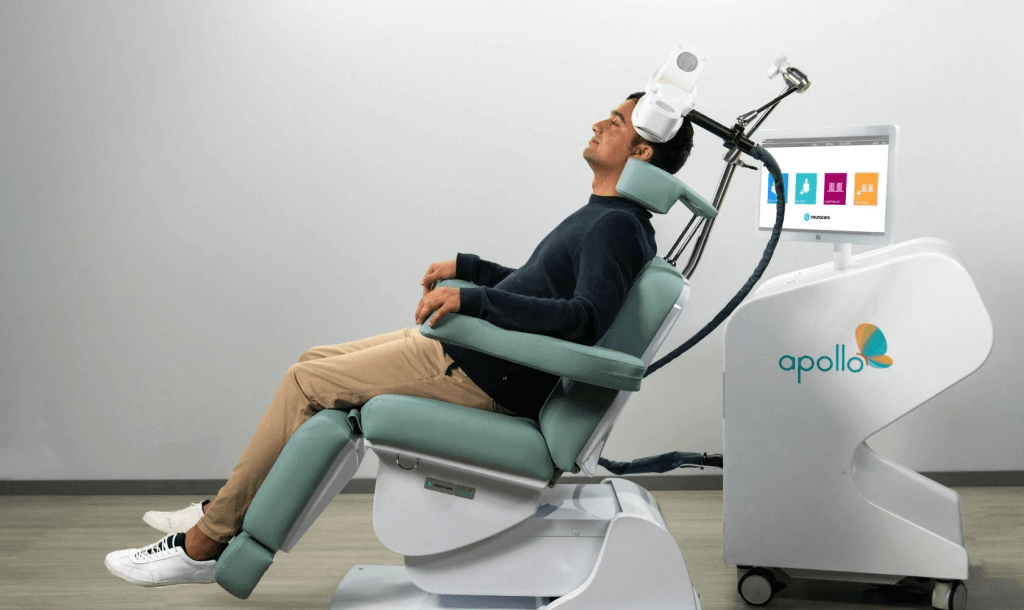
Transcranial Magnetic Stimulation uses focused magnetic pulses to stimulate specific areas of the brain that are involved in mood regulation—a technique that advanced providers like Empower Psychiatry, TMS Therapy centers have been refining with promising results for treatment-resistant cases. The procedure is non-invasive, which means no surgery and no anesthesia. You sit in a comfortable chair while a device is placed against your scalp. Sessions usually last under an hour, and most people can return to work, school, or home activities right afterward.
TMS therapy is FDA-approved for adults who have not had enough relief from antidepressant medications. Many people notice improved mood, energy, and concentration over several weeks of sessions. Side effects are often mild, such as temporary scalp discomfort or a short-lasting headache. At GlobeCoRe, trained professionals guide you through each step, answer questions, and track your progress closely.
Some key benefits of TMS therapy include:
- Non-invasive care with no need for anesthesia
- Outpatient sessions that allow you to drive yourself home afterward
- Medication-free mechanism, which can help people who do not tolerate certain drugs well
TMS is rarely used alone. Instead, it becomes part of a holistic depression treatment plan that may also include therapy, medication management, and support for co-occurring anxiety. During your evaluation, GlobeCoRe clinicians review your history to see whether TMS might be a good fit and help you weigh this option with care and respect.
Medication Management And Collaborative Decisions For Your Recovery Path
Medication is an important tool for many people living with depression. Antidepressants work by shifting levels of brain chemicals involved in mood, sleep, and energy. For some, this shift creates enough relief to get out of bed, go to therapy, and reconnect with loved ones. For others, medication may smooth out mood swings or reduce the intensity of anxious thoughts.
At GlobeCoRe, medication is always part of a wider plan, not the only focus of care. Prescribing providers explain how each medication works, what side effects to watch for, and how long it may take to notice changes. Your preferences, cultural beliefs about medicine, and past experiences are central to these talks. Together, you decide whether to start, continue, or adjust medication.
Some people may take antidepressants short term, while others may benefit from longer use, especially when depression has been present for many years. When anxiety is also a concern, GlobeCoRe clinicians consider options that support both depression and anxiety treatment in Atlanta without overmedicating. Regular follow-up visits make it easier to fine-tune the plan so it keeps supporting your goals over time. You are encouraged to ask questions and speak openly about what is and is not working.
Accessing Care With Telehealth And Flexible Options Across 42 States

Access can be one of the biggest barriers to mental health support. Long commutes, lack of transportation, work shifts, caregiving roles, and fear of being seen walking into a clinic all keep people from getting help. For those outside major cities, there may be very few culturally aware therapists nearby.
GlobeCoRe responds to these barriers through comprehensive telehealth services. You can attend therapy, medication management visits, and many types of consultation through secure video from home, your car during a break, or another private space. The same Ph.D. and Masters-level professionals who provide in-person depression treatment in Atlanta also provide virtual care, so quality and depth of support stay high.
Telehealth can be especially helpful for:
- People with limited transportation or mobility
- Parents and caregivers with tight schedules
- College students or professionals who travel or work irregular hours
- Individuals who feel safer beginning care from home
Because GlobeCoRe is licensed across 42 states, more people can access culturally informed care, even if they live far from Atlanta or in regions with very few providers. Telehealth also allows you to choose clinicians who understand your language, culture, or identity, without being limited to your local area. For some services such as TMS therapy, in-person visits are still needed, but telehealth can cover much of the ongoing counseling and follow-up, offering a flexible, private way to stay engaged in your healing process.
Conclusion
Finding the right help for depression is not just about locating the nearest clinic. It is about finding care that sees all of you, including your culture, story, and hopes for the future. In a city as wide and complex as Atlanta, many people still struggle to access depression treatment in Atlanta that feels safe, respectful, and truly responsive to their needs.
GlobeCoRe, Inc. offers a comprehensive path forward. With psychological evaluation, evidence-based counseling, trauma-informed care, medication management, advanced options like TMS therapy, and flexible telehealth across 42 states, GlobeCoRe weaves together many strands of support. The team’s deep commitment to cultural humility and inclusion means you are not asked to leave parts of yourself at the door.
Frequently Asked Questions
What are the most common signs of an anxiety disorder?
Common signs include excessive worrying, restlessness, increased heart rate, difficulty concentrating, and sleep disturbances that persist for months.
How is depression different from feeling sad?
While sadness is a temporary emotional reaction, depression is a persistent condition characterized by a loss of interest in activities, hopelessness, and significant fatigue lasting for weeks or more.
Can anxiety and depression happen at the same time?
Yes, it is very common for anxiety and depression to co-occur. Treatment plans often address both conditions simultaneously through therapy and sometimes medication.
What are the best therapies for anxiety and depression?
Cognitive Behavioral Therapy (CBT) is highly effective for both, helping patients identify and change negative thought patterns. Other approaches include mindfulness and TMS therapy for resistant cases.
How can I support a loved one with depression?
Listen without judgment, encourage them to seek professional help, and be patient. Small gestures of support and maintaining a steady presence can make a significant difference.