
Are you grappling with persistent anxiety and seeking alternative treatments? Transcranial Magnetic Stimulation (TMS) therapy might be the solution you’re looking for. TMS is a non-invasive procedure that uses magnetic pulses to stimulate specific areas of the brain, offering a promising treatment option for various mental health disorders, including anxiety disorders. Let’s delve into how TMS works and its potential in treating anxiety.
TMS Therapy
What is Transcranial Magnetic Stimulation (TMS)?
Transcranial Magnetic Stimulation, or TMS, is a brain stimulation technique that employs magnetic pulses to target and modulate neuronal activity in specific areas of the brain. The use of TMS is becoming increasingly prevalent as a method for treating mental health disorders, particularly in cases where traditional treatments like medication and cognitive behavioral therapy have proven ineffective. TMS is a non-invasive alternative, meaning it doesn’t require surgery or anesthesia, making it a safe and tolerable treatment option for many patients.
How Does TMS Work?
TMS works by delivering repetitive transcranial magnetic stimulation to areas of the brain that are known to be underactive in individuals with anxiety disorders. These magnetic pulses can stimulate nerve cells, which can improve communication between different brain regions. For example, in patients with anxiety disorders, the prefrontal cortex, which regulates emotions, may be less active. By stimulating this area, TMS can help reduce anxiety symptoms and improve overall mental health. TMS for anxiety aims to restore normal brain function.
TMS Therapy Process
The TMS therapy process typically involves a series of TMS sessions, usually administered daily over several weeks. During a TMS session, several key steps are involved, including:
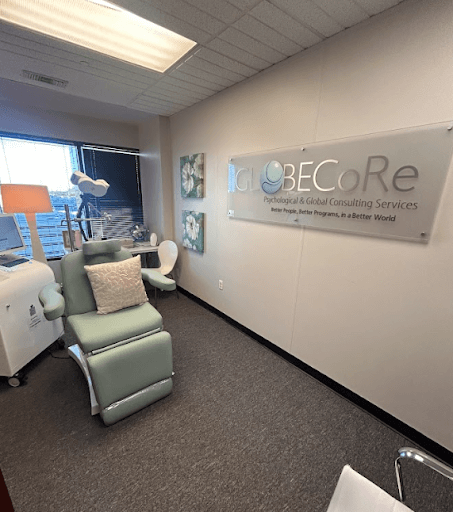
- The patient is seated comfortably while a trained technician places a TMS system coil against their head.
- The coil emits magnetic pulses that stimulate the targeted brain area.
The intensity of the pulses is carefully adjusted to the individual’s tolerance and therapeutic needs. The entire TMS treatment is closely monitored to ensure the safety and effectiveness of TMS for anxiety, and patients can typically resume their normal activities immediately after each session.
Does TMS Therapy Help Anxiety in Atlanta?
Transcranial Magnetic Stimulation (TMS) is a non-invasive treatment that may help reduce anxiety symptoms, especially when anxiety occurs alongside depression. Many patients in Atlanta experience meaningful improvement with personalized TMS therapy plans, minimal side effects, and long-lasting results under expert psychiatric care.
Schedule a TMS Consultation in Atlanta, GATMS for Anxiety
What is Anxiety and Its Symptoms?
Anxiety is more than just feeling stressed or worried; it’s a mental health disorder that can significantly impact daily life. Symptoms of anxiety can manifest in various ways, often including:
- Persistent worry
- Restlessness
- Difficulty concentrating
- Muscle tension
- Sleep disturbances
People experiencing anxiety disorders may also suffer from panic attacks, characterized by sudden and intense fear accompanied by physical symptoms like rapid heart rate, sweating, and shortness of breath. Recognizing these symptoms of anxiety is the first step towards seeking effective treatment for anxiety and improving overall mental well-being. Different anxiety disorders such as generalized anxiety disorder, separation anxiety disorder, OCD and anxious depression can manifest differently, and each requires a tailored approach to treatment.
How TMS Treats Anxiety Disorders
Transcranial magnetic stimulation, or TMS, offers a promising treatment option for anxiety disorders by directly targeting the areas of the brain responsible for mood regulation. TMS works by delivering magnetic pulses to stimulate these areas, helping to restore normal brain function and reduce anxiety symptoms. Unlike medication, TMS is a non-invasive procedure with minimal systemic side effects, making it a safe and tolerable treatment option for many patients with anxiety disorders. By modulating neuronal activity, TMS for anxiety can alleviate anxiety symptoms and improve overall mental health, providing a potential solution for those who haven’t found relief through traditional treatments.
Evidence Supporting TMS for Anxiety
Clinical studies and research have demonstrated the effectiveness of TMS for anxiety. Repetitive transcranial magnetic stimulation has shown significant reduction in anxiety symptoms in patients with various anxiety disorders, including generalized anxiety disorder and obsessive-compulsive disorder (OCD). Evidence suggests that TMS therapy for anxiety can lead to long-term improvements in mental health, offering a valuable treatment option for those with treatment-resistant anxiety or those who prefer a non-pharmacological approach. If you’re considering TMS as a potential therapy for anxiety, consulting with a qualified mental health professional can help determine if TMS is right for you. The use of TMS in conjunction with cognitive behavioral therapy may further enhance treatment outcomes, providing a comprehensive approach to treating anxiety. The effectiveness of TMS for anxiety continues to be studied, but current findings suggest that TMS offers a promising avenue for alleviating anxiety symptoms and improving quality of life.
Benefits of TMS Therapy for Anxiety
Reduction of Anxiety Symptoms
One of the primary benefits of TMS therapy is the significant reduction in anxiety symptoms. TMS for anxiety directly targets the areas of the brain responsible for mood regulation, offering a non-invasive method to alleviate anxiety symptoms. The magnetic pulses used in repetitive transcranial magnetic stimulation can help to normalize brain activity, effectively reducing symptoms of anxiety disorders such as persistent worry, restlessness, and difficulty concentrating. For those struggling with generalized anxiety disorder, TMS offers a promising alternative treatment option to manage symptoms and improve overall mental health.
TMS vs. Traditional Anxiety Treatments
TMS offers a unique advantage over traditional anxiety treatments like medication and cognitive behavioral therapy. Unlike medication, TMS is a non-invasive procedure that doesn’t involve systemic side effects. While cognitive behavioral therapy is effective for many, it can be a lengthy process. TMS works by directly modulating brain activity, offering a potentially faster and more targeted approach to treating anxiety. This can be especially beneficial for patients with anxiety disorders who have not responded well to other treatment options, including those with treatment-resistant anxiety. For many, TMS is a safe and effective treatment for anxiety.
Does TMS Therapy Help Anxiety in Atlanta?
Transcranial Magnetic Stimulation (TMS) is a non-invasive treatment that may help reduce anxiety symptoms, especially when anxiety occurs alongside depression. Many patients in Atlanta experience meaningful improvement with personalized TMS therapy plans, minimal side effects, and long-lasting results under expert psychiatric care.
Schedule a TMS Consultation in Atlanta, GALong-term Effects of TMS Therapy
The long-term effects of TMS therapy for anxiety can be substantial, offering sustained relief from anxiety symptoms and improved mental health. Clinical studies suggest that repetitive transcranial magnetic stimulation can lead to lasting changes in brain function, helping to stabilize mood and reduce the likelihood of relapse. While individual results may vary, many patients with anxiety disorders experience a significant reduction in anxiety, allowing them to regain a better quality of life. Ongoing research continues to explore the full extent of the benefits of TMS in treating anxiety and other mental health disorders.
Who Can Benefit from TMS?
Eligibility for TMS Therapy
Determining eligibility for TMS therapy involves a thorough evaluation by a qualified mental health professional. Generally, TMS is considered for individuals with anxiety disorders who have not responded adequately to traditional treatment options, such as medication and cognitive behavioral therapy. Candidates for TMS may include those with generalized anxiety disorder, obsessive-compulsive disorder (OCD), or other anxiety disorders. A comprehensive assessment will help determine if TMS is a suitable and safe treatment option for managing their specific symptoms of anxiety. If you’re considering TMS, consult with a specialist to see if TMS works for anxiety in your case.
Treatment-Resistant Anxiety and Its Challenges
Treatment-resistant anxiety presents significant challenges, as individuals with this condition often find little to no relief from conventional treatment options. TMS offers a beacon of hope for those with treatment-resistant anxiety by providing a non-invasive method to directly target and modulate brain activity. Repetitive transcranial magnetic stimulation can help restore normal brain function, reduce anxiety symptoms, and improve overall mental health for patients who have not found success with other treatment approaches. For these individuals, TMS for treating anxiety can be a life-changing intervention, offering a path towards improved well-being.
Combining TMS with Other Treatments
Combining TMS with other treatments can often enhance the effectiveness of anxiety treatment. TMS is a safe and effective treatment, and can be used in conjunction with cognitive behavioral therapy or medication to achieve optimal results. This integrated approach can provide a more comprehensive strategy for managing anxiety disorders, addressing both the psychological and biological aspects of the condition. For example, TMS can help reduce anxiety symptoms, making it easier for patients to engage in cognitive behavioral therapy and develop coping mechanisms. Combining TMS with other treatments may offer the most effective path to long-term relief from anxiety.
FAQs about TMS Therapy for Anxiety
What Should I Expect During a TMS Session?
During a TMS session, you’ll be seated comfortably in a chair while a trained technician places a TMS system coil against your head, typically over the prefrontal cortex – an area of the brain associated with mood regulation. The TMS system delivers magnetic pulses, which may feel like a tapping or knocking sensation. The intensity is adjusted to your comfort level, and TMS is a non-invasive procedure, so you’ll remain awake and alert throughout. Each TMS session usually lasts between 20 to 50 minutes, and most patients can resume their normal activities immediately afterward.
Are There Side Effects of TMS Therapy?
TMS therapy is generally well-tolerated, but some individuals may experience mild side effects. These can include headache, scalp discomfort at the site of stimulation, or mild lightheadedness. These symptoms are usually temporary and resolve quickly after the TMS session. Serious side effects are rare, but it’s important to discuss any concerns with your doctor before starting TMS for anxiety. Unlike medication, TMS does not typically cause systemic side effects like weight gain, sexual dysfunction, or gastrointestinal issues. This makes TMS a safe and appealing treatment option for many.
How Many TMS Sessions are Needed?
The number of TMS sessions needed varies depending on individual factors and the severity of anxiety disorders. A typical TMS treatment course involves daily sessions, five days a week, for approximately four to six weeks. However, your mental health professional will tailor the treatment plan to your specific needs and monitor your progress throughout the TMS therapy. Some patients may require maintenance sessions after the initial course to sustain the benefits of repetitive transcranial magnetic stimulation, thereby optimizing the effectiveness of TMS for anxiety.
Conclusion: Is TMS Therapy Right for You?
Evaluating Your Treatment Options
When considering treatment for anxiety, it’s crucial to evaluate all available options. If you’ve struggled with traditional treatments like medication or cognitive behavioral therapy, and still grapple with anxiety symptoms, TMS might be a viable alternative. Consider the potential benefits of TMS for anxiety, such as its non-invasive nature and minimal systemic side effects. Also weigh the time commitment involved and discuss any concerns with your mental health provider. Understanding all aspects will help determine if TMS works for anxiety in your specific case, if TMS is a safe and reasonable treatment option.
Consulting a Mental Health Professional
Before starting TMS, it’s essential to consult with a qualified mental health professional who can assess your condition and determine if TMS is appropriate for treating anxiety. They will evaluate your medical history, current medications, and previous anxiety treatment outcomes. This consultation will help determine if TMS is appropriate, ensuring that TMS is a safe and suitable treatment option for your specific needs. This thorough evaluation ensures that TMS is used effectively and safely, maximizing its potential to reduce anxiety symptoms and enhance your overall well-being.
Does TMS Therapy Help Anxiety in Atlanta?
Transcranial Magnetic Stimulation (TMS) is a non-invasive treatment that may help reduce anxiety symptoms, especially when anxiety occurs alongside depression. Many patients in Atlanta experience meaningful improvement with personalized TMS therapy plans, minimal side effects, and long-lasting results under expert psychiatric care.
Schedule a TMS Consultation in Atlanta, GAFinal Thoughts
TMS offers a promising avenue for those seeking relief from anxiety disorders, particularly when traditional treatments have fallen short. Transcranial magnetic stimulation provides a non-invasive way to target and modulate the areas of the brain responsible for mood regulation, offering potential for lasting improvement in mental health. While TMS is a safe and well-tolerated treatment for anxiety for many, it’s crucial to consult with a mental health professional to determine if TMS for anxiety is right for you and to discuss the effectiveness of TMS for anxiety.
Frequently Asked Questions
Does TMS therapy really help with anxiety?
Yes, TMS therapy can help reduce anxiety symptoms by stimulating brain regions involved in mood regulation, especially when medications or talk therapy have not worked well.
How does TMS therapy work for anxiety?
TMS uses magnetic pulses to stimulate specific areas of the brain, such as the prefrontal cortex, to normalize activity and help reduce anxiety symptoms over time.
Who is a good candidate for TMS for anxiety?
TMS is often recommended for people with anxiety disorders who have not responded adequately to traditional treatments like medication and cognitive behavioral therapy.
Is TMS therapy safe for treating anxiety?
TMS is a non‑invasive, FDA‑cleared treatment with no anesthesia or surgery, and it is generally considered safe with mostly mild and temporary side effects.
What are the common side effects of TMS therapy?
Common side effects include mild headache or scalp discomfort at the treatment site, which usually improve quickly after the session.