
Transcranial Magnetic Stimulation (TMS) offers hope for individuals battling stubborn depression. This article delves into the duration of TMS therapy, exploring its effectiveness and long-term impact on mental health. Discover how TMS can provide lasting relief and improve the quality of life for those seeking a non-invasive treatment option.
TMS Therapy
What is Transcranial Magnetic Stimulation?
Transcranial magnetic stimulation, often referred to as TMS, is a non-invasive procedure that uses magnetic fields to stimulate nerve cells in the brain to improve symptoms of depression. TMS differs from electroconvulsive therapy as it does not involve seizures or anesthesia. This innovative treatment option is primarily used when other depression treatments haven’t been effective.
How Does TMS Work?
TMS works by using magnetic pulses to target specific areas of the brain believed to be responsible for mood regulation. These magnetic pulses induce small electrical currents, which can activate or inhibit brain cells. Repetitive transcranial magnetic stimulation, or repetitive TMS, involves delivering these pulses in a repeated sequence, aiming to restore normal brain function and alleviate depressive symptoms.
Overview of TMS Therapy
TMS therapy is emerging as a pivotal treatment option for those grappling with mental health conditions, particularly treatment-resistant depression. The course of TMS typically involves multiple treatment sessions, usually administered daily over several weeks. TMS is also being explored for conditions like obsessive-compulsive disorder, showcasing its potential beyond major depressive disorder. The benefits of TMS are becoming increasingly recognized.
Wondering How Long TMS Therapy Results Last?
Transcranial Magnetic Stimulation (TMS) is a proven, non-invasive treatment for depression and other mental health conditions. Many patients experience symptom relief that lasts months or even years, especially with proper follow-up care. Understanding TMS therapy duration and long-term results can help you make an informed treatment decision.
Talk to a TMS Specialist TodayDuration of TMS Therapy
How Long Does TMS Therapy Last?
The typical course of TMS therapy involves daily treatment sessions, five days a week, for about four to six weeks. Each treatment session usually lasts between 30 to 60 minutes. After the initial course, some patients may benefit from maintenance TMS sessions to prolong the effects of TMS and prevent relapse of depression symptoms. But how long does TMS therapy last when considering long-term results?
Factors Affecting the Duration of Benefits
The duration of benefits from TMS therapy can vary significantly among individuals. Factors such as the severity of depression symptoms, individual brain response to magnetic pulses, and adherence to the treatment course can all influence how long the effects of TMS last. Some patients experience long-lasting symptom relief, while others may require maintenance treatments to sustain the benefits of TMS therapy.
Long-Term Effects of TMS Therapy
While TMS is not considered a permanent fix, many patients experience significant and sustained symptom relief from major depression and other mental health conditions. Studies suggest that a substantial portion of patients achieve remission or a significant reduction in depression symptoms following a course of TMS therapy. Maintenance treatments may be recommended to extend how long the benefits last, further improving mental health outcomes.
Wondering How Long TMS Therapy Results Last?
Transcranial Magnetic Stimulation (TMS) is a proven, non-invasive treatment for depression and other mental health conditions. Many patients experience symptom relief that lasts months or even years, especially with proper follow-up care. Understanding TMS therapy duration and long-term results can help you make an informed treatment decision.
Talk to a TMS Specialist TodayBenefits of TMS Therapy
Immediate and Long-Lasting Benefits
TMS therapy offers a range of benefits for individuals struggling with mental health conditions, especially treatment-resistant depression. Many patients report experiencing noticeable symptom relief shortly after starting the treatment course. The effects of TMS can include improved mood, increased energy levels, and a reduction in depressive symptoms, leading to a better quality of life. These immediate benefits often motivate patients to continue with the therapy.
Comparing TMS with Other Treatments
When comparing transcranial magnetic stimulation with other treatment options like antidepressant medications or electroconvulsive therapy, several advantages become clear. TMS is non-invasive, meaning it doesn’t require surgery or anesthesia. Unlike antidepressant medications, TMS typically has fewer systemic side effects. It also avoids the cognitive side effects sometimes associated with electroconvulsive therapy, making it a well-tolerated treatment option for many patients.
Why TMS is Effective for Stubborn Depression
TMS is particularly effective for treatment-resistant depression because it directly targets areas of the brain that are underactive in individuals with major depression. By using magnetic pulses to stimulate these specific areas of the brain, TMS can help restore normal brain function and alleviate depression symptoms. For patients with treatment-resistant depression, TMS may offer a renewed sense of hope when other treatments have failed.
Maintenance TMS Sessions
Understanding Maintenance Treatments
Maintenance TMS sessions are designed to prolong the benefits of TMS therapy and prevent relapse of depression symptoms. These sessions typically involve periodic treatments after the initial treatment course. Maintenance treatments are particularly beneficial for individuals who have experienced significant symptom relief but are at risk of recurrence. Regular maintenance TMS can help sustain improvements in mental health.
How Often are Maintenance Sessions Needed?
The frequency of maintenance TMS sessions varies depending on individual needs and response to therapy. Some patients may benefit from monthly maintenance TMS, while others may only require sessions every few months. The decision on how often to schedule maintenance TMS is usually made in consultation with a psychiatrist or TMS specialist. The goal is to tailor the maintenance schedule to each patient’s unique circumstances.
Long-Term Maintenance for Lasting Effects
Long-term maintenance TMS is an ongoing strategy to ensure lasting effects of the initial TMS therapy course. By continuing with periodic treatments, individuals can sustain the symptom relief and improved mental health achieved through TMS. While TMS may not be a permanent therapy, long-term maintenance can help manage major depression effectively. Consistent maintenance treatments contribute to a better overall prognosis for patients with treatment-resistant depression. The question ‘long does TMS therapy last’ is often answered by the commitment to maintenance tms.
Wondering How Long TMS Therapy Results Last?
Transcranial Magnetic Stimulation (TMS) is a proven, non-invasive treatment for depression and other mental health conditions. Many patients experience symptom relief that lasts months or even years, especially with proper follow-up care. Understanding TMS therapy duration and long-term results can help you make an informed treatment decision.
Talk to a TMS Specialist TodayConclusion
Summary of TMS Therapy Benefits
TMS therapy offers a non-invasive treatment option for individuals with treatment-resistant depression and other mental health conditions. The benefits of TMS therapy include significant symptom relief, improved mood, and fewer systemic side effects compared to antidepressant medications or electroconvulsive therapy. Maintenance TMS sessions can prolong the positive effects of TMS. Understanding “long does TMS therapy last” is crucial for managing expectations. The repetitive TMS uses magnetic fields to stimulate the brain.
The question of “long does TMS therapy last?” is central to understanding this treatment. The effects of TMS can vary, but many patients experience long-lasting symptom relief, especially with maintenance treatments. While TMS may not be a permanent therapy, it offers a valuable tool for managing major depression and improving mental health. The effectiveness of the treatment course and individual response play key roles in determining the duration of benefits.
If you are considering TMS therapy as a treatment option for depression symptoms or other mental health conditions, it’s essential to consult with a qualified mental health professional. A psychiatrist or TMS specialist can evaluate your individual needs, determine if TMS is right for you, and develop a personalized treatment plan. Seeking professional advice ensures that you receive the most appropriate and effective care for your mental health.
Frequently Asked Questions
Is TMS Therapy a Permanent Fix?
While TMS therapy offers significant symptom relief for many individuals with treatment-resistant depression and other mental health conditions, it’s not typically considered a permanent fix. The effects of TMS can last for varying periods, and some patients may require maintenance TMS sessions to sustain the benefits of TMS. Long-term maintenance treatments can help manage major depression, but individual responses to therapy can vary.
What Mental Health Conditions Can TMS Help?
TMS is primarily used to treat major depressive disorder, particularly in cases of treatment-resistant depression, where antidepressant medications and psychotherapy have not been effective. Additionally, TMS is being explored as a potential treatment option for other mental health conditions such as obsessive-compulsive disorder (OCD) and anxie ty disorders. The uses magnetic pulses to stimulate areas of the brain associated with these conditions, potentially providing symptom relief.
What to Expect During a TMS Treatment Session?
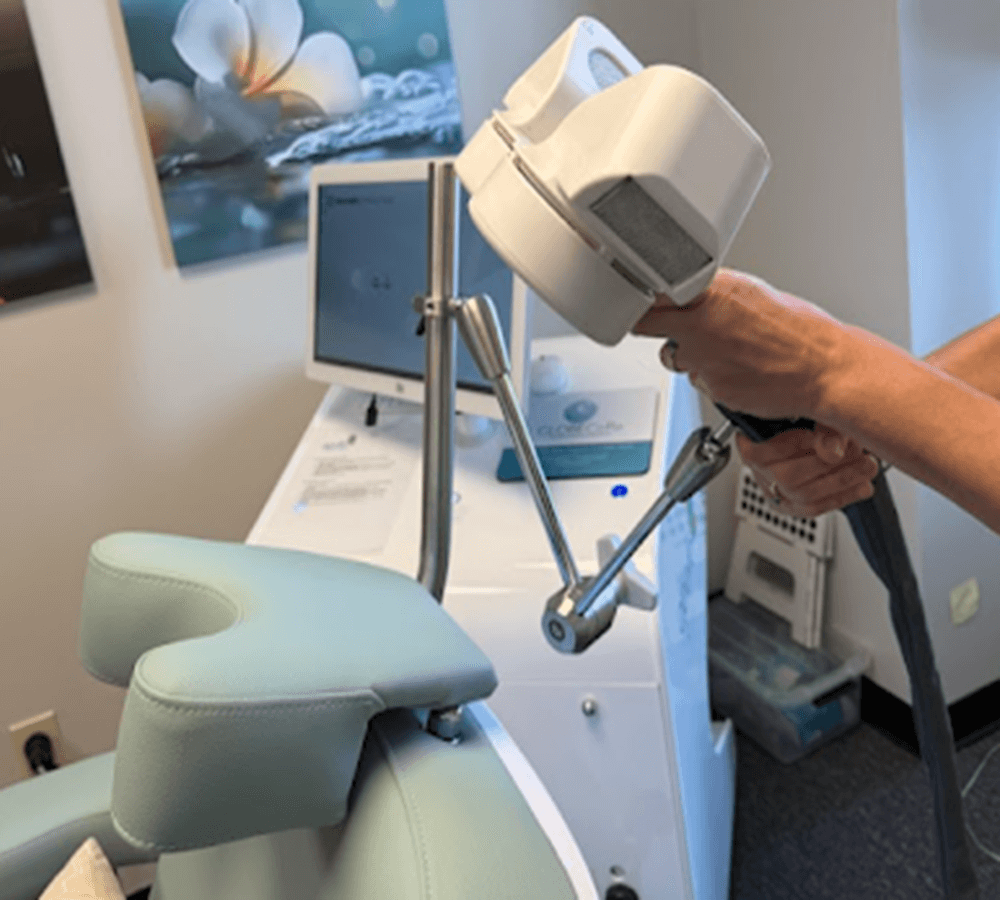
During a TMS treatment session, a patient sits comfortably while a TMS technician positions a magnetic coil against their scalp. The device delivers magnetic pulses, which may feel like a tapping sensation. The treatment session typically lasts between 30 to 60 minutes. Patients remain awake and alert during the procedure and can resume normal activities immediately afterward, making it a convenient treatment option.