
Is ADHD a disability? If you've been asking this question, for yourself, your child, or someone you love, you're not alone. Millions of people live with Attention Deficit Hyperactivity Disorder (ADHD) and wonder whether it qualifies as a disability under the law, what rights they have, and whether they can access support. The short answer is yes, ADHD can be considered a disability, but it depends on how significantly it affects daily life. Let's break it all down in plain, simple language.
Table of Contents
- What Is ADHD?
- Is ADHD a Disability? (Legal Definition)
- Common Symptoms of ADHD in Adults and Children
- What Causes ADHD?
- ADHD Disability Benefits: What You May Qualify For
- ADHD and the ADA: Know Your Rights
- Treatment Options for ADHD
- When to Seek Professional Help
- Benefits of Professional ADHD Care
- Frequently Asked Questions
What Is ADHD?
ADHD stands for Attention Deficit Hyperactivity Disorder. It is a neurodevelopmental condition that affects how the brain manages attention, impulse control, and activity levels. It is one of the most common mental health conditions in both children and adults.
ADHD is not a sign of low intelligence or laziness. It is a brain-based condition that makes it genuinely harder to focus, stay organized, and regulate emotions. According to Wikipedia, ADHD affects approximately 5-7% of children and 2-5% of adults worldwide.
Is ADHD a Disability? The Legal Definition
Under U.S. law, ADHD can be classified as a disability if it substantially limits one or more major life activities. Here is what the law says:
The Americans with Disabilities Act (ADA) and ADHD
The ADA ADHD connection is real and important. The Americans with Disabilities Act (ADA) prohibits discrimination against people with disabilities, and ADHD can qualify if it significantly impacts areas like:
- Concentrating or thinking clearly
- Learning and reading
- Working or completing job tasks
- Communicating or interacting socially
- Caring for yourself
If ADHD limits one or more of these areas in a meaningful way, you may be legally protected under the ADA. This applies to schools, workplaces, and other public settings.
Section 504 and IDEA
For children in school, two additional laws are relevant:
- Section 504 of the Rehabilitation Act allows children with ADHD to receive classroom accommodations such as extra time on tests, preferential seating, or modified assignments.
- IDEA (Individuals with Disabilities Education Act) may provide more intensive support through an Individualized Education Program (IEP).
If you are struggling with ADHD at school or work, speaking with a licensed psychiatrist can help you get the documentation you need to access these protections.
Common Symptoms of Adult ADHD and ADHD in Children
ADHD symptoms can look different depending on age and the type of ADHD. There are three types: Inattentive, Hyperactive-Impulsive, and Combined. Here are the most common adult ADHD symptoms and those seen in children:
Inattentive Symptoms
- Difficulty staying focused on tasks or conversations
- Frequently losing items like keys, phones, or documents
- Forgetting appointments or daily responsibilities
- Avoiding tasks that require sustained mental effort
- Making careless mistakes in work or school assignments
Hyperactive and Impulsive Symptoms
- Feeling restless or unable to sit still
- Talking excessively or interrupting others
- Acting without thinking through consequences
- Difficulty waiting for a turn
- Starting many tasks but rarely finishing them
Adults with ADHD may also struggle with emotional regulation, low self-esteem, relationship difficulties, and substance use. These challenges are real and treatable.
What Causes ADHD?
ADHD is not caused by bad parenting, too much screen time, or eating sugar. Research shows that ADHD has strong biological roots. Common contributing factors include:
- Genetics: ADHD runs in families. If a parent has ADHD, a child is significantly more likely to have it too.
- Brain structure and chemistry: Differences in the prefrontal cortex and dopamine levels affect attention and self-control.
- Prenatal exposure: Tobacco, alcohol, or stress during pregnancy may increase risk.
- Low birth weight or premature birth have also been linked to higher ADHD rates.
ADHD Disability Benefits: What You May Qualify For
If ADHD severely limits your ability to work, you may qualify for ADHD disability benefits through the Social Security Administration (SSA). These include:
- SSI (Supplemental Security Income): For individuals with limited income and resources
- SSDI (Social Security Disability Insurance): For adults who have a work history and become disabled
To qualify, you must show that your ADHD significantly limits your ability to maintain employment, even with treatment. A formal diagnosis and medical records from a psychiatrist are essential for these applications.
Our clinic offers personalized psychiatric evaluations and comprehensive documentation to support disability applications when appropriate. Learn more about our mental health services.
Treatment Options for ADHD
ADHD is a manageable condition. With the right support, people with ADHD can thrive. Treatment typically includes a combination of the following:
Medication
Stimulant medications like Adderall and Ritalin are the most commonly prescribed and have strong evidence behind them. Non-stimulant options like Strattera or Wellbutrin are also available. A psychiatrist will evaluate the right fit for your needs and history.
Behavioral Therapy
Cognitive Behavioral Therapy (CBT) helps people with ADHD build coping skills, manage time better, and improve emotional regulation. It is especially effective when combined with medication.
Lifestyle Changes
- Regular exercise (shown to improve focus and reduce impulsivity)
- Structured daily routines
- Sleep hygiene: poor sleep makes ADHD symptoms worse
- Mindfulness and meditation
- Limiting distractions in the work or study environment
When to Seek Professional Help for ADHD
You should consider reaching out to a mental health professional if:
- You or your child have struggled with focus, impulsivity, or organization for most of your life
- ADHD symptoms are interfering with work, school, or relationships
- You have been told you might have ADHD but have never been formally evaluated
- You have tried strategies on your own without success
- You feel overwhelmed, frustrated, or hopeless about daily functioning
A proper diagnosis from a board-certified psychiatrist is the first step toward real relief. Do not wait until things get worse. If you are looking for expert ADHD treatment in Atlanta, GA, our team is here to help.
Benefits of Professional ADHD Care
Working with a qualified mental health provider offers several important advantages:
- Accurate diagnosis: ADHD symptoms overlap with anxiety, depression, and other conditions. A professional can determine what is actually going on.
- Personalized treatment plan: What works for one person may not work for another. A psychiatrist tailors care to your specific needs.
- Medication management: If medication is right for you, a psychiatrist can monitor dosage and side effects safely.
- Legal documentation: If you need accommodations at work or school, a psychiatrist can provide the necessary paperwork.
- Long-term support: ADHD is a lifelong condition. Having a consistent care provider means you have a partner in managing it over time.
Frequently Asked Questions About ADHD as a Disability
Is ADHD considered a disability under the ADA?
Can adults get ADHD disability benefits?
What are the most common adult ADHD symptoms?
Is ADHD a mental disability or a learning disability?
How is ADHD diagnosed?
Take Control of ADHD with Expert Care in Atlanta, GA
Living with ADHD can feel overwhelming, whether it’s difficulty focusing, staying organized, or managing daily responsibilities. The good news is that effective help is available. Our clinic offers expert diagnosis and treatment from the best psychiatrist in Atlanta, GA, providing personalized care for both children and adults.
Comprehensive ADHD Treatment Designed for You
- Accurate diagnosis of adult ADHD symptoms and childhood ADHD
- Personalized treatment plans tailored to your lifestyle
- Medication management when appropriate
- Behavioral strategies to improve focus and productivity
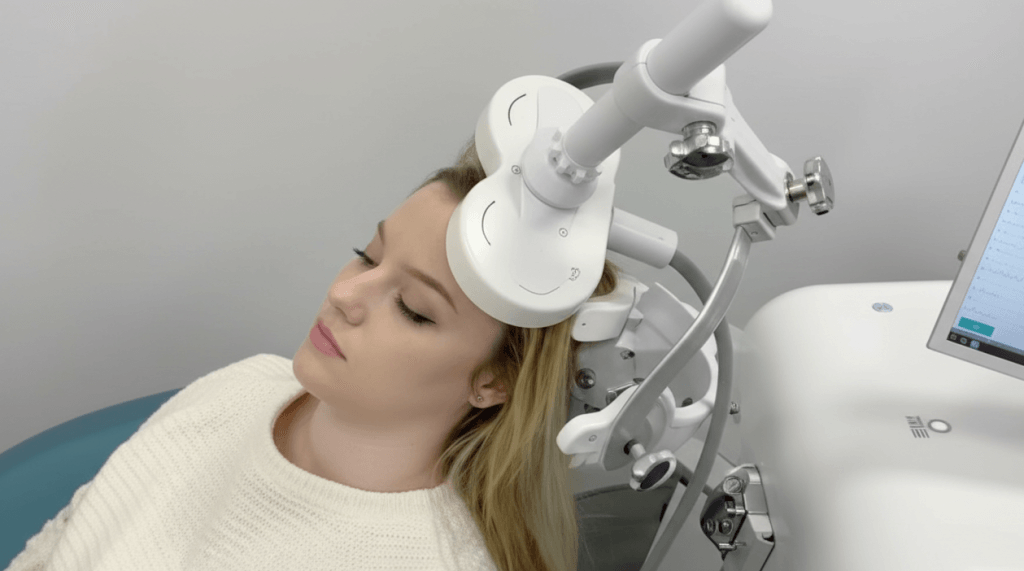
- Access to trusted TMS therapy for ADHD in Atlanta, GA
You Don’t Have to Struggle Alone
ADHD can impact your work, relationships, and confidence, but with the right support, you can regain control and thrive. Our compassionate team is here to guide you every step of the way.
Connect with the best psychiatrist in Atlanta, GA for ADHD care today. Schedule your consultation and explore expert psychological services in Atlanta, GA.
Frequently Asked Questions
What are the most common signs of an anxiety disorder?
Common signs include excessive worrying, restlessness, increased heart rate, difficulty concentrating, and sleep disturbances that persist for months.
How is depression different from feeling sad?
While sadness is a temporary emotional reaction, depression is a persistent condition characterized by a loss of interest in activities, hopelessness, and significant fatigue lasting for weeks or more.
Can anxiety and depression happen at the same time?
Yes, it is very common for anxiety and depression to co-occur. Treatment plans often address both conditions simultaneously through therapy and sometimes medication.
What are the best therapies for anxiety and depression?
Cognitive Behavioral Therapy (CBT) is highly effective for both, helping patients identify and change negative thought patterns. Other approaches include mindfulness and TMS therapy for resistant cases.
How can I support a loved one with depression?
Listen without judgment, encourage them to seek professional help, and be patient. Small gestures of support and maintaining a steady presence can make a significant difference.