
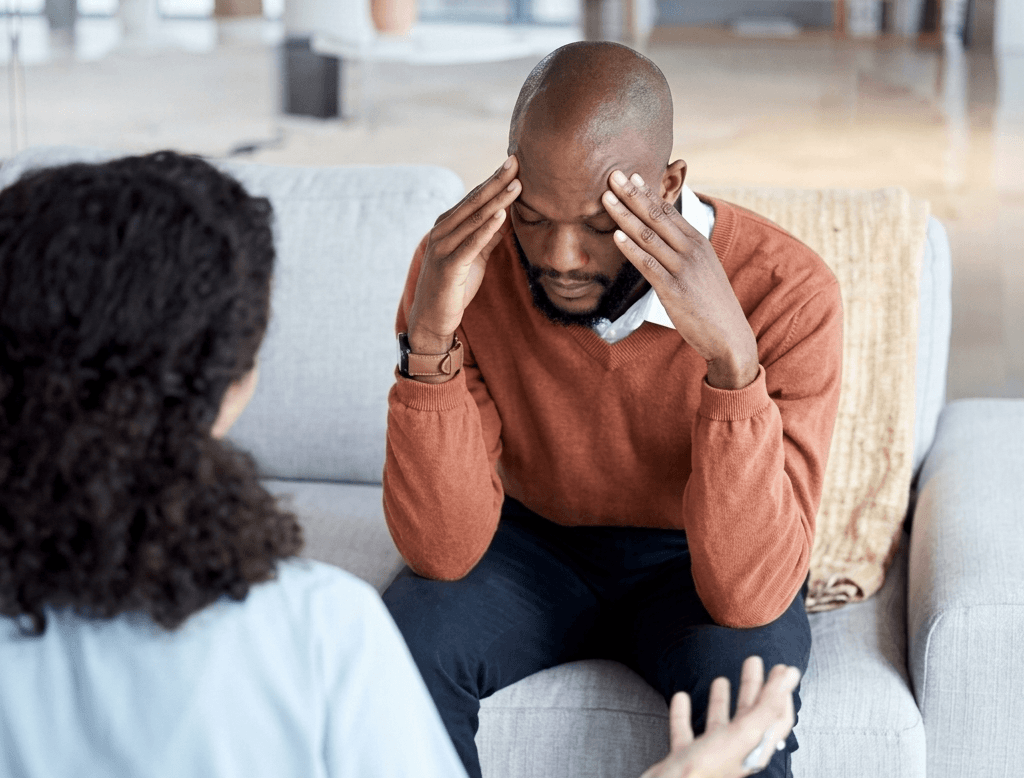
Feeling your heart race, your chest tighten, or your mind spinning out of control — anxiety can be absolutely overwhelming. If you are searching for how to calm anxiety, you are already taking an important step. Whether you experience everyday worry or full-blown panic attacks, there are real, proven strategies that can help you feel better quickly and long-term. This guide breaks it all down in a clear, compassionate way.
Table of Contents
- What Is Anxiety?
- Signs and Symptoms of Anxiety
- What Causes Anxiety?
- How to Calm Anxiety: Immediate Relief Techniques
- Long-Term Strategies to Reduce Anxiety
- Panic Attack Help: What to Do in the Moment
- When to Seek Professional Help
- Benefits of Professional Anxiety Care
- Frequently Asked Questions
What Is Anxiety?
Anxiety is your body's natural response to stress or perceived danger. It is a feeling of fear, dread, or unease. A little anxiety is normal — it helps you stay alert and motivated. But when anxiety becomes intense, frequent, or hard to control, it may be an anxiety disorder.
According to Wikipedia, anxiety disorders are the most common mental health conditions in the United States, affecting over 40 million adults every year. The good news? Anxiety is highly treatable.
Signs and Symptoms of Anxiety
Anxiety can show up in many ways. Recognizing the symptoms is the first step toward getting relief. Common signs include:
Physical Symptoms
- Rapid heartbeat or pounding chest
- Shortness of breath or feeling like you cannot breathe
- Sweating, trembling, or shaking
- Muscle tension or headaches
- Stomach upset, nausea, or diarrhea
- Dizziness or feeling lightheaded
Mental and Emotional Symptoms
- Constant or excessive worry about everyday things
- Feeling like something terrible is about to happen
- Difficulty concentrating or mind going blank
- Irritability or restlessness
- Fear of losing control or "going crazy"
- Avoiding situations that trigger anxiety
If several of these symptoms sound familiar and they are interfering with your daily life, you are not alone — and you deserve support. If you are struggling, speaking with a licensed psychiatrist can help you identify the type of anxiety you have and find the right path to relief.
What Causes Anxiety?
Anxiety does not have one single cause. It is often a combination of factors that come together to create overwhelming feelings. Common causes include:
- Brain chemistry: Imbalances in neurotransmitters like serotonin, dopamine, and GABA play a major role in anxiety disorders.
- Genetics: Anxiety tends to run in families, suggesting a hereditary component.
- Trauma and stress: Difficult life experiences, abuse, loss, or chronic stress can trigger or worsen anxiety.
- Medical conditions: Thyroid problems, heart conditions, and other illnesses can cause anxiety-like symptoms.
- Substance use: Caffeine, alcohol, and certain medications can trigger or worsen anxiety.
- Personality: People who are more sensitive to stress or who have certain personality types may be more prone to anxiety.
How to Calm Anxiety: Immediate Anxiety Relief Techniques
When anxiety hits, you need tools that work right now. Here are evidence-based techniques to reduce anxiety quickly:
1. Box Breathing (4-4-4-4)
Box breathing is a powerful technique used by military personnel and first responders to calm the nervous system fast. Here is how to do it:
- Inhale slowly for 4 counts
- Hold your breath for 4 counts
- Exhale slowly for 4 counts
- Hold again for 4 counts
- Repeat 4-5 times
2. The 5-4-3-2-1 Grounding Technique
This technique pulls your attention away from anxious thoughts and anchors you in the present moment:
- Name 5 things you can see
- Name 4 things you can touch
- Name 3 things you can hear
- Name 2 things you can smell
- Name 1 thing you can taste
3. Progressive Muscle Relaxation
Starting from your toes, tense each muscle group for 5 seconds, then release. Work your way up to your head. This releases physical tension that anxiety stores in the body.
4. Cold Water Technique
Splashing cold water on your face or holding ice activates the "dive reflex," which slows your heart rate and calms your nervous system almost immediately.
5. Move Your Body
Even a 10-minute brisk walk can release endorphins and burn off anxious energy. Exercise is one of the most powerful natural anxiety relief tools available.
Long-Term Strategies to Reduce Anxiety
Quick relief is important, but managing anxiety over the long term requires building healthy habits and, often, professional support. Here are proven strategies:
Therapy (Cognitive Behavioral Therapy)
CBT is the gold standard for treating anxiety disorders. It helps you identify and challenge the negative thought patterns that fuel anxiety. Most people see significant improvement within 12-20 sessions.
Medication
For moderate to severe anxiety, medication may be recommended. Options include SSRIs (like Lexapro or Zoloft), SNRIs, benzodiazepines for short-term use, and buspirone. A psychiatrist can help determine what is right for your situation.
Mindfulness and Meditation
Regular mindfulness practice rewires the brain over time, reducing the size and reactivity of the amygdala (your brain's fear center). Even 10 minutes a day makes a measurable difference.
Lifestyle Changes That Help
- Limit caffeine and alcohol — both worsen anxiety
- Prioritize 7-9 hours of quality sleep each night
- Eat a balanced diet (gut health is closely linked to anxiety)
- Stay socially connected — isolation amplifies anxiety
- Establish a consistent daily routine
Panic Attack Help: What to Do in the Moment
A panic attack can feel terrifying — like you are dying or losing your mind. It is important to know that panic attacks are not dangerous, even though they feel that way. Here is what to do if you are having one:
- Remind yourself it will pass: Most panic attacks peak within 10 minutes and subside within 20-30 minutes.
- Do not fight it: Trying to suppress a panic attack often makes it worse. Acknowledge it: "This is a panic attack. I am safe. It will pass."
- Use box breathing or the grounding technique described above.
- Sit down and remove yourself from overwhelming situations if possible.
- Call someone you trust — connection can interrupt the panic cycle.
If you are having frequent panic attacks, this is a sign to seek professional help. Our clinic offers evidence-based treatment for panic disorder and all anxiety conditions — including therapy, medication management, and compassionate care. Learn more about our mental health services in Atlanta, GA.
When to Seek Professional Help for Anxiety
While self-help strategies can be incredibly effective, there are times when professional care is necessary. You should reach out to a mental health provider if:
- Your anxiety is constant and disrupting your daily life
- You are avoiding work, school, social situations, or relationships because of anxiety
- You are having panic attacks regularly
- You feel like you cannot relax no matter what you try
- You are using alcohol, drugs, or other substances to cope with anxiety
- You are having thoughts of harming yourself
Reaching out for help is not a sign of weakness — it is one of the strongest things you can do. Our team of board-certified psychiatrists is here to listen and create a personalized care plan just for you. Contact our psychiatrist in Atlanta, PA today to take the first step.
Benefits of Professional Anxiety Care
Many people try to manage anxiety on their own for years before seeking help. Working with a professional can completely change your quality of life. Here is what expert care offers:
- Accurate diagnosis: Anxiety can overlap with depression, ADHD, PTSD, and other conditions. A psychiatrist identifies exactly what you are dealing with.
- Faster results: Evidence-based therapy and medication work faster and more effectively than self-help alone.
- Personalized plan: Your anxiety is unique. A professional tailors treatment to you — your history, your triggers, your goals.
- Safe medication management: If medication is appropriate, a psychiatrist monitors it carefully to ensure safety and effectiveness.
- Ongoing support: You do not have to fight anxiety alone. Consistent care gives you a partner in your mental health journey.
Frequently Asked Questions About Calming Anxiety
What is the fastest way to calm anxiety?
How do I calm anxiety at night?
What are natural ways to reduce anxiety quickly?
What helps with panic attack in the moment?
When should I see a doctor for anxiety?
Reclaim Your Life with Advanced TMS Therapy in Atlanta, GA
If you’ve been struggling with depression that hasn’t improved with medication, it may be time to explore a different path. At our clinic, we've a team of best psychiatrist in Atlanta, GA who offers cutting-edge Transcranial Magnetic Stimulation (TMS), a non-invasive, FDA-cleared treatment designed for long-lasting relief.
Why Choose Our Psychological Services in Atlanta, GA?
- Personalized care from an experienced psychiatrist
- Drug-free, non-invasive depression treatment
- Proven results for treatment-resistant depression
- Supportive, patient-first approach
- Comprehensive psychological services in Atlanta, GA under one roof
You don’t have to continue feeling stuck. With the right care, improvement is possible. Our team is here to guide you every step of the way with compassionate, expert treatment tailored to your needs.
Schedule your TMS consultation now and explore personalized psychological services in Atlanta, GA.
Frequently Asked Questions
What are the most common signs of an anxiety disorder?
Common signs include excessive worrying, restlessness, increased heart rate, difficulty concentrating, and sleep disturbances that persist for months.
How is depression different from feeling sad?
While sadness is a temporary emotional reaction, depression is a persistent condition characterized by a loss of interest in activities, hopelessness, and significant fatigue lasting for weeks or more.
Can anxiety and depression happen at the same time?
Yes, it is very common for anxiety and depression to co-occur. Treatment plans often address both conditions simultaneously through therapy and sometimes medication.
What are the best therapies for anxiety and depression?
Cognitive Behavioral Therapy (CBT) is highly effective for both, helping patients identify and change negative thought patterns. Other approaches include mindfulness and TMS therapy for resistant cases.
How can I support a loved one with depression?
Listen without judgment, encourage them to seek professional help, and be patient. Small gestures of support and maintaining a steady presence can make a significant difference.